


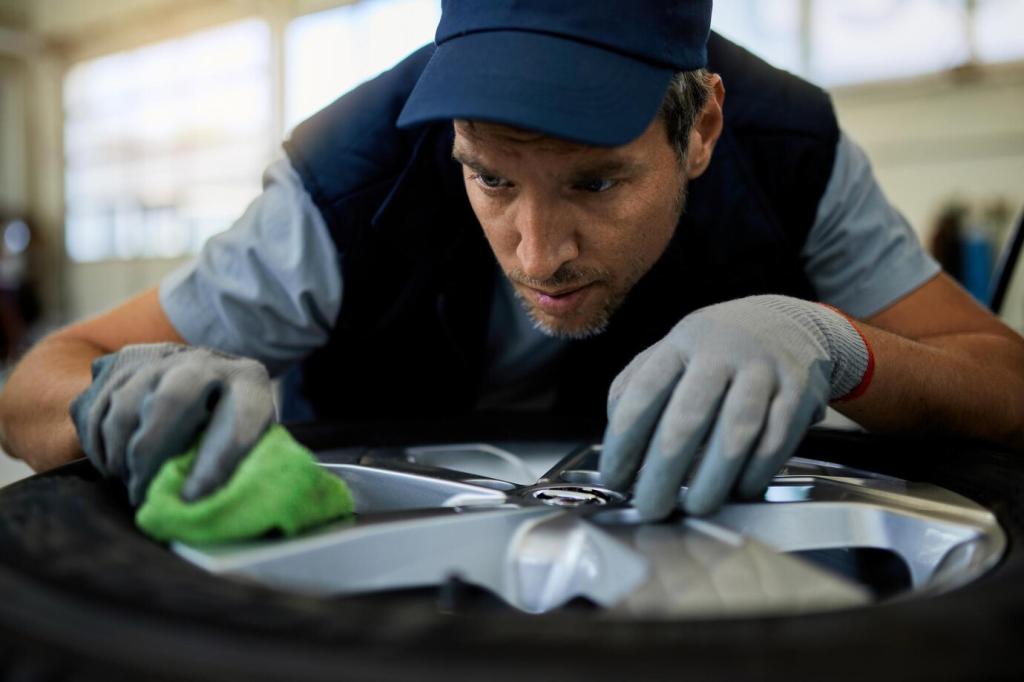
Long-term Vehicle Preservation Strategies: Keep Your Car Timeless

Chosen theme: Long-term Vehicle Preservation Strategies. Welcome to a friendly garage for meticulous owners who want their vehicles to age gracefully, run reliably, and tell richer stories every year. We share field-tested habits, smart tools, and small rituals that prevent big problems. Join the conversation, subscribe for checklists, and tell us what preservation challenge you’re wrestling with this season.

Rust Defense and Underbody Longevity

Moisture Mapping and Drainage

Track water’s favorite hiding places: rocker panels, wheel wells, trunk seams, and under carpet padding. Keep drain holes clear, replace clogged grommets, and wash winter salt promptly. Document each inspection with photos, and ask readers for obscure rust traps they’ve discovered.

Choosing Coatings: Wax, Oil, or Ceramic?

Wax-based undercoats resist wash-off, oil-based products creep into seams, and ceramic coatings protect paint from UV and contaminants. Combine solutions thoughtfully. Test a small area first, then reapply seasonally. Share your regional results to help others match products to climate realities.

Anecdote: The Winter Truck That Never Rotted

A neighbor’s twenty-year-old pickup survived harsh road salt because he rinsed the underbody weekly, fogged cavities with fluid film every fall, and taped reminders on his garage door. His secret wasn’t magic—just consistent, small actions repeated without fail.

Humidity Control Without Overkill

Aim for relative humidity around 45–55% to discourage corrosion and mold. Use a hygrometer, dehumidifier, and gentle airflow. Avoid dramatic swings by insulating doors. If you’ve mastered basement or barn storage, comment with your humidity setup to guide fellow readers.

Breathable Covers Versus Plastic Traps

Choose breathable, fitted covers that shed dust and allow moisture to escape. Avoid plastic tarps that trap condensation. Clean and fully dry the car before covering. Tag us with your cover recommendations, especially for tight urban garages and shared storage facilities.

Battery Tenders, Smart Chargers, and Security

A quality maintainer reduces sulfation and preserves electronics. Route cables safely, use quick-disconnect leads, and check voltage monthly. Pair with a discrete kill switch and motion lighting. Tell us which tender models have served you flawlessly through long winters and summer breaks.

Fluids, Fuel, and Chemical Stability

Change oil before storage so acids and contaminants don’t linger. Choose a formulation with robust anti-corrosion additives. After wake-up, run to full temperature and recheck levels. Comment with your favorite oil analysis insights and how they shaped your service intervals.
Old coolant can turn aggressive; refresh on schedule and verify the right chemistry for your engine metals. Replace hygroscopic brake fluid regularly to protect calipers, lines, and ABS pumps. Encourage friends to pressure-test systems annually, even on low-mileage collector cars.
Use a reputable stabilizer, top off the tank to reduce airspace, and run the engine briefly to distribute treated fuel. Ethanol blends attract moisture; consider non-ethanol sources if practical. Share your cold-start experiences after storage to help refine best practices.

Exercise Drives and Mechanical Circulation

Plan 20–30 minute drives that reach full operating temperature. Include gentle highway stretches, light braking, and a few turns to move fluids everywhere. Avoid short hops. Post your favorite low-traffic route ideas to inspire better exercise routines for stored vehicles.

Exercise Drives and Mechanical Circulation

Inflate slightly above normal during storage, roll the vehicle periodically, or use quality stands. After wake-up, reset pressures and monitor for vibrations. Comment with your luck using modern foam blocks versus classic cradles for long-term tire health.

Leather, Vinyl, and Fabric Protocols

Vacuum gently, clean with pH-appropriate products, and condition leather sparingly to avoid residue. Keep silica gel packs under seats to manage humidity. Share your go-to cleaners and how often you reapply protectants for long-term softness without a glossy, artificial finish.

Seals, Gaskets, and That Classic Smell

Preserve door and trunk seals with silicone-safe conditioners, and crack windows slightly for airflow in safe environments. Replace damp cabin filters. Tell us how you maintain that just-right aroma without overpowering fragrances or masking important diagnostic smells.

Sun Management: Glass and Shade

UV is relentless. Use quality sunshades, park thoughtfully, and consider legal ceramic tint for heat rejection. Condition plastics and dashboards with UV inhibitors. Post before-and-after photos of interiors that benefited from disciplined sun management across multiple summer seasons.
Mauikayakers
Privacy Overview

This website uses cookies so that we can provide you with the best user experience possible. Cookie information is stored in your browser and performs functions such as recognising you when you return to our website and helping our team to understand which sections of the website you find most interesting and useful.